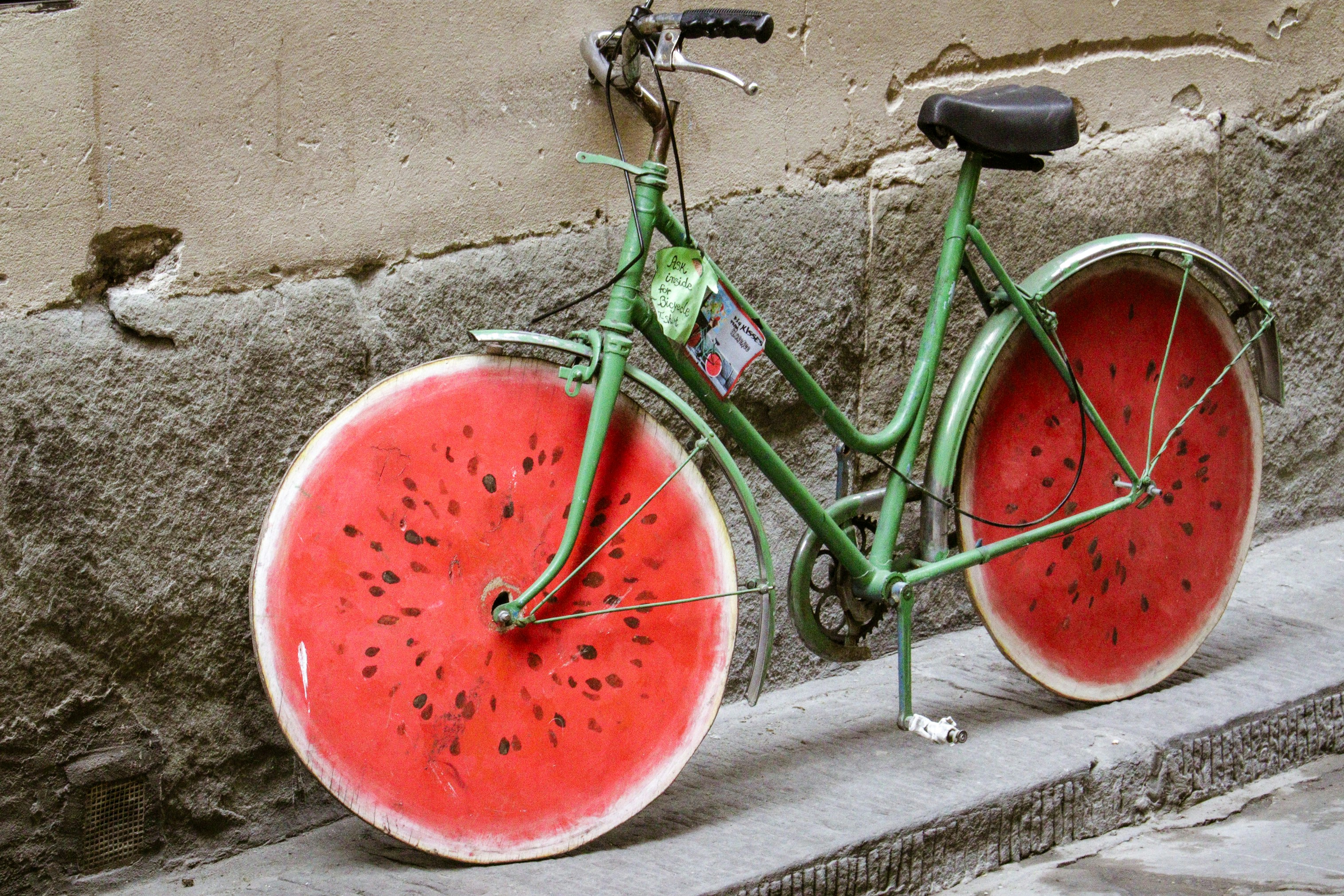
“Creativity is intelligence having fun.”
– Albert Einstein
What do you associate with Creativity?
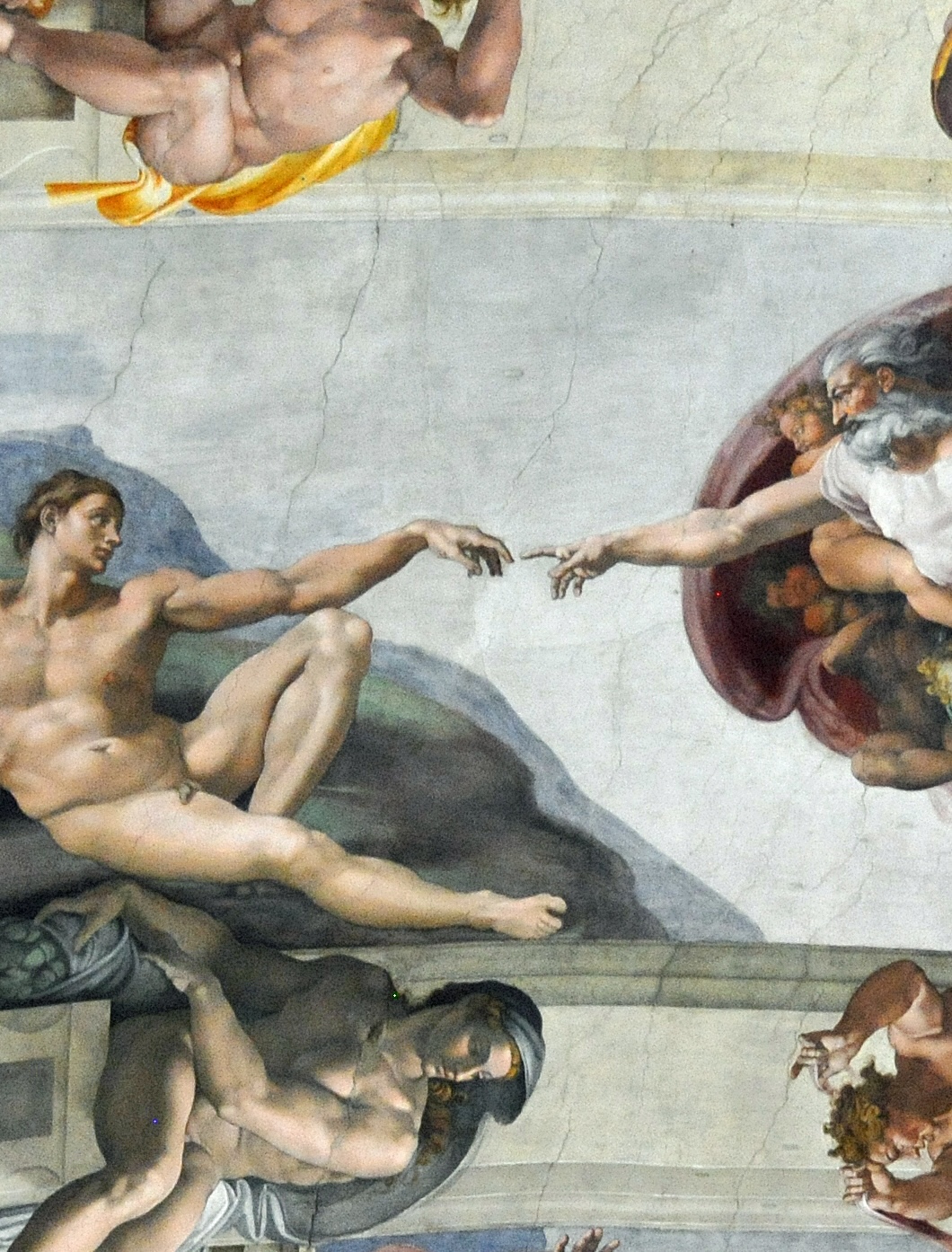
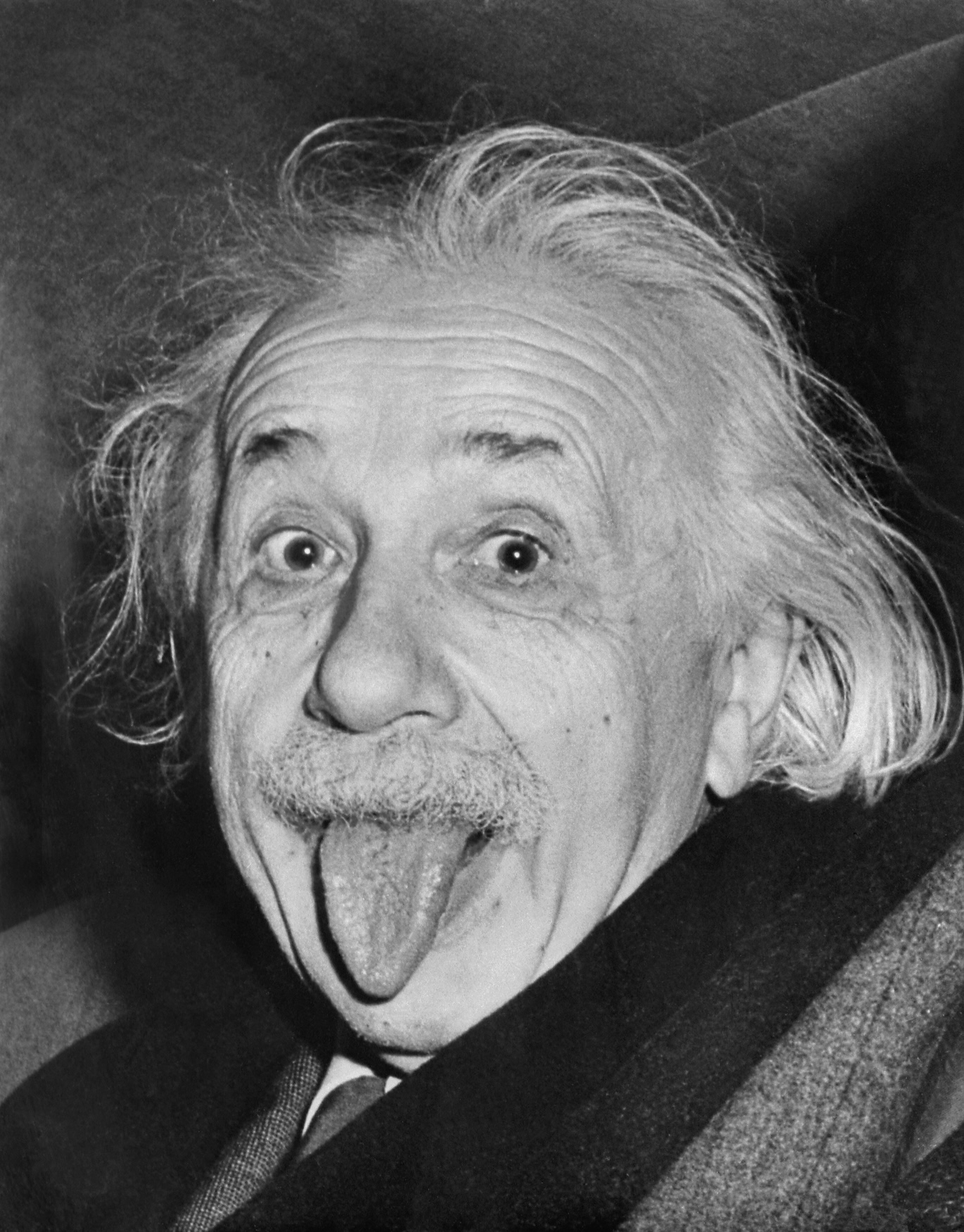
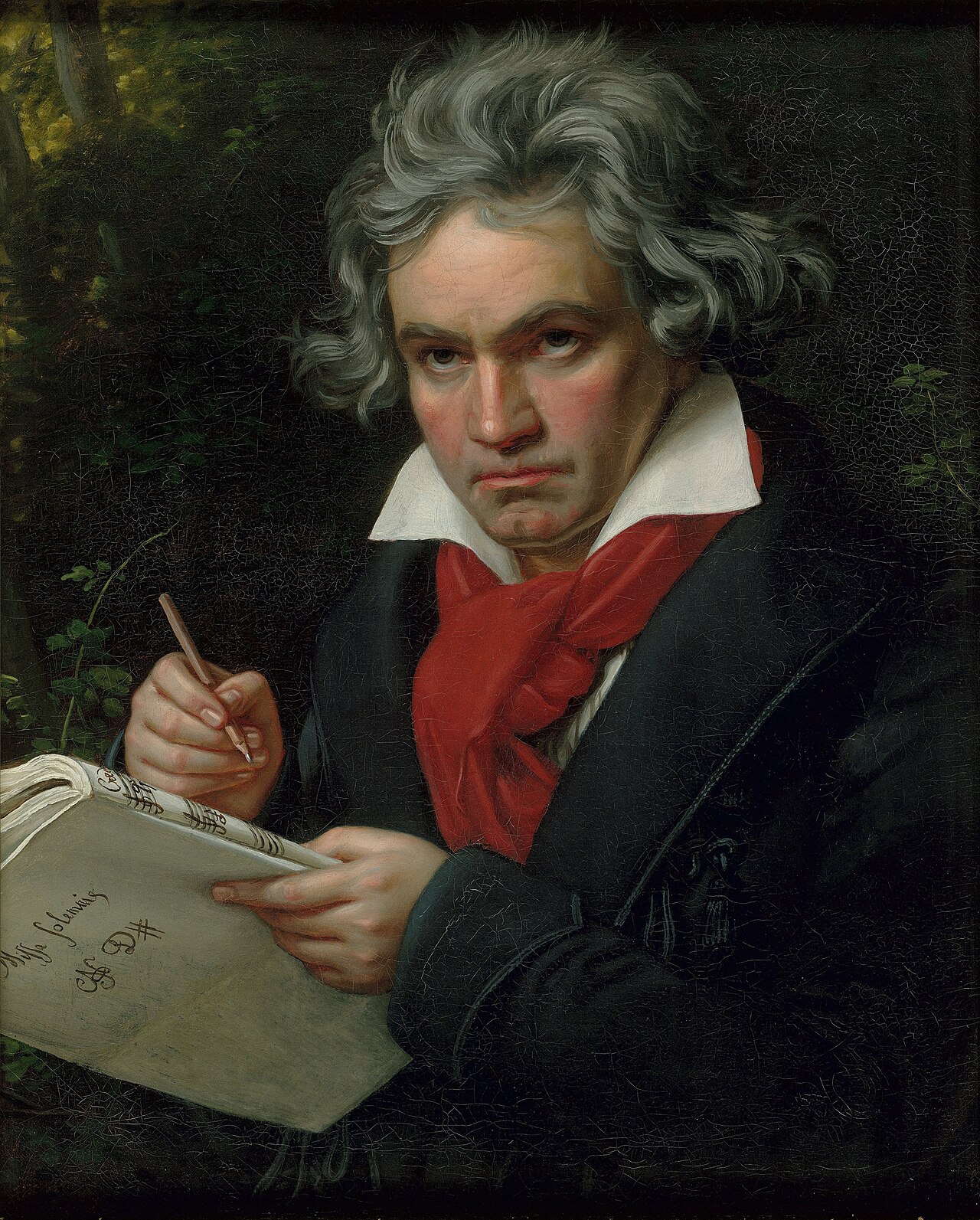
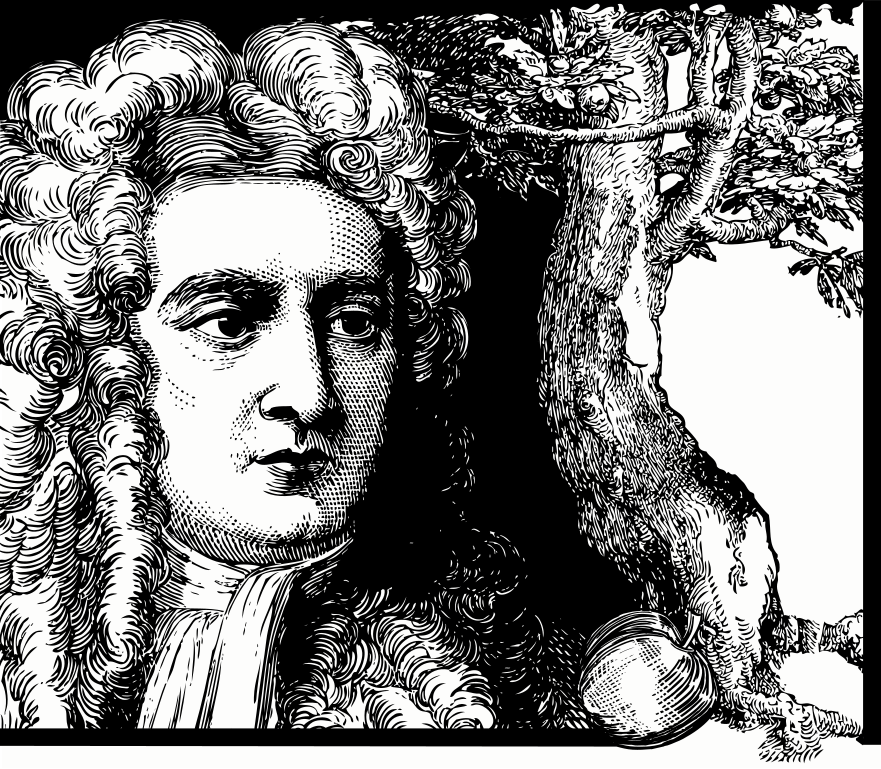
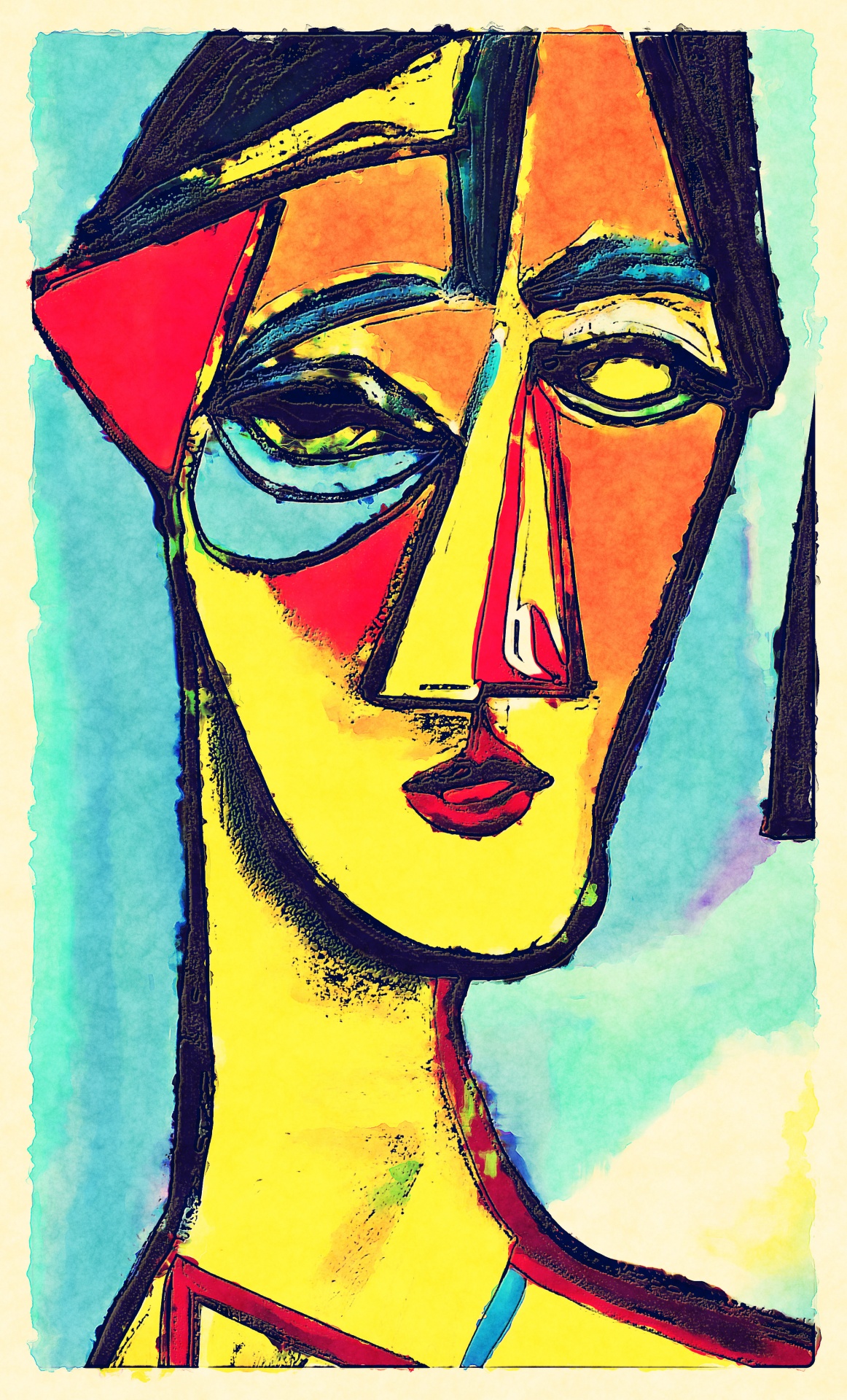
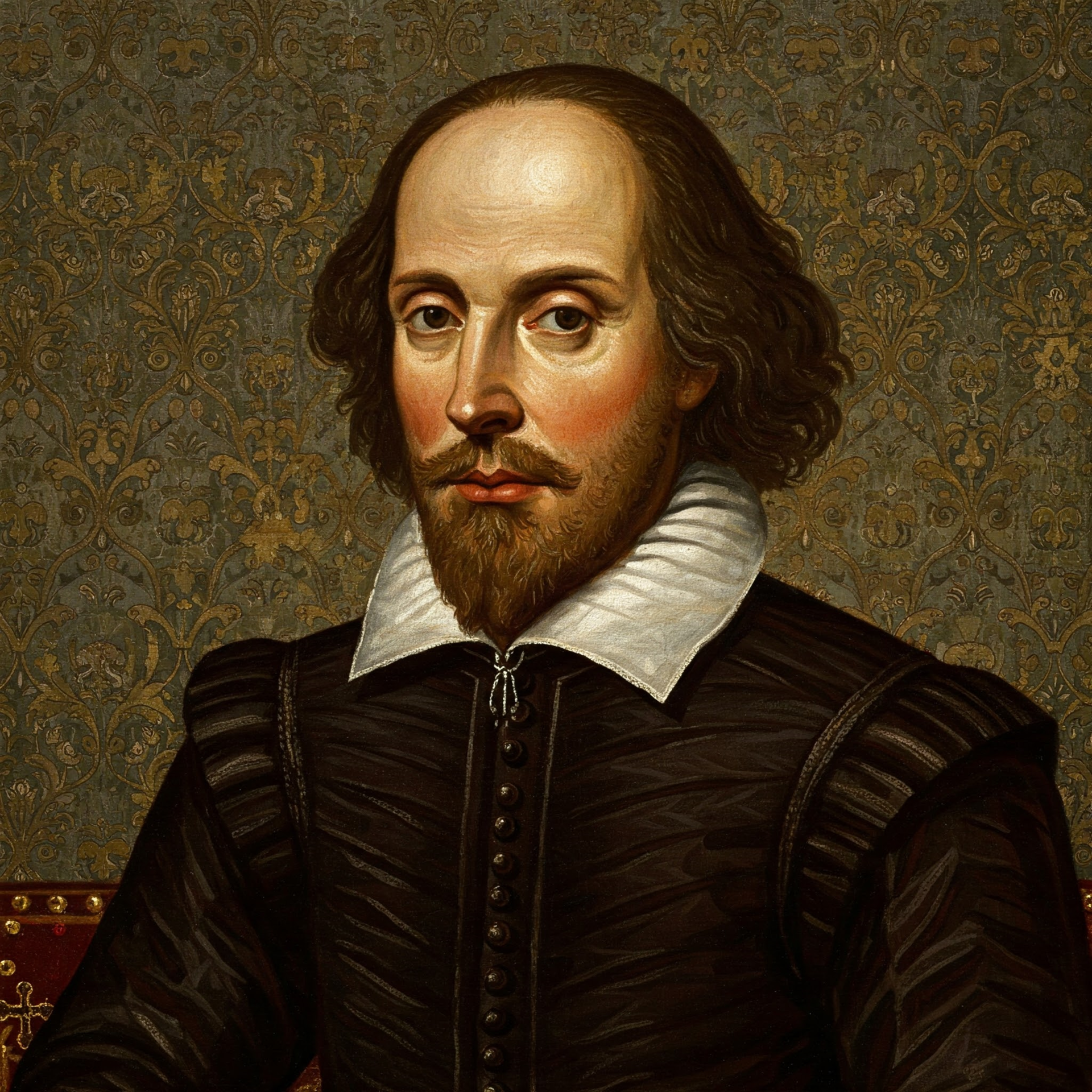
x Michaelangelo x Einstein x Isaac Newton x Beethoven x Picasso x Shakespeare
- Darwin
- Mendelev (Chemical charts)
- Marie Curie
- Edison?
- (movie maker?)
- Pavarotti
- Frank Lloyd Wright
- Chef original recipe
- Trudeau cartoon
- Famous actor?
- Imogene Cunningham or other Ballet
- (dance?)
Breaking the mold. Revolutionary. Random inspiration. Making connections.
What about?
- Um Kulthum
- Japanese ?
- Gabriel Garcia Marquez or Salman Rushdie
- Marcel Marceau
- etc.
How about “riffing” ?
- Beatles cover band
- Elvis impersonator
- Clown
- Fake artists
- Mona Lisa copy
- Chef interprets someone
- Al Yankovic
Or…
- Child drawing
- Dancing
- Singing
- Making a sand-castle
- Adult creating charts
- Writing a report
- Creating proposals
Our definition of creativity is broad.
Where do we draw the line?
AI slop. What does it mean?
Gladwell: 10000 hours to become an expert.
Is doing a cover creating or interpreting?
Play video of Hallelujah from Cohen and Buckley
Concept of Montessori and creativity. Or Learn by Doing.
All posts advocating AI creativity was written by management courses or consultants.
WHERE to go next? Can AI be creative? If so, what does it mean for humans?
– Creation vs consumption.
Difference between seeking, learning, synthesizing, producing, promoting/sharing, and revising or extinguishing.
On consumer side, between seeking, discovering, consuming, understanding/absorbing, reviewing, sharing, and discarding.
Creativity On-demand
Determining WHEN creativity is needed and when it isn’t. Also, how much. The “temperature” setting may mimic it, but isn’t the same.
We also need to determine intent, then decide which subsystem and method is best suited to it. Then another stage decomposes thst into tasks, each of which may or may not use genrative methods (vs tools) to reach the desired end.
The path which was determined should be deterministic, so if you adjust the request, it keeps everything intact, except for the change step. This means it needs memory and transfer learning at ALL stages in the pipeline. Today, it just starts again so there’s no continuity.
Same problem if you progressively tweak and adjust an Art Project or something requiring creativity. There’s no tweaking without losing something.
Creativity is subjective
There is no objective measure. The joke I like, you might hate. The painting you like, others may find bland or too radical. Same for music, theater, films, movies, and anything else we associate with creativity.
Yes, each of these may appeal to groups of people, meaning they are not necessarily one-offs, but why they appeal to one group or another is not well known. The best creatives can do is make something they would like and hope it finds an audience.
Mass-market marketing helps to sway tastes, especially when it comes to pop music, books, television shows, or movies.
We speak of formulae or say something is formulaic derisively, especially when they pander to certain tastes, by copying patterns of what has worked before. Is that what AI aspires to?
In joke-writing, there is a set-up and a punchline. It is common belief in comedians that the more unexpected or suprisingly the punchline, the better the joke. There is a connective tissue between the two parts. If you throw out random fact 1 and follow it up with random assertion 2, you will almost certainly not have a joke.
Henny Youngman specialized in “Take My Wife” style of humor. Rodney Dangerfield’s catch phrase was “I don’t get no respect.” These are not the same as formulaic jokes. They are another class of connective tissue, branding a humorist and their class of humor. Neither of them wrote all their own jokes. They purchased them from other comedians who recognized the style and created jokes that fit their taste.
These are intangibles that are hard to quantify. Any comedian will tell you that a joke is worthless once it has to be explained. This type of creativity is why I believe machines will never be able to take this aspect of human creativity.
Being a creative may well end up being one of the safest jobs in the world.
- How Generative AI Can Augment Human Creativity (Harvard Business Review)
- Embracing Creativity: How AI Can Enhance the Creative Process (NYU School of Professional Studies)
- Unleashing Creativity With AI (Berkeley ExecEd)
- AI boosts individual creativity – at the expense of less varied content (University College London School of Management and University of Exeter Business School)
Whereas academic research takes a much more grim view. In Artificial intelligence as a tool for creativity (Journal of Creativity) the articles are more in the vein of:
- AI can only produce artificial creativity
- Art and the artificial
- A monstrous matter: The three faces of artificial creativity
And in a bit of gaslighting:
- Human bias in evaluating AI product creativity
AI can make you more creative—but it has limits
AI art: The end of creativity or the start of a new movement?
Generative AI enhances individual creativity but reduces the collective diversity of novel content
Can AI Be as Creative as Humans? (diagram)
We depart from previous work here. Instead of considering absolute creativity at the creation level, we consider the relative creativity at the meta-level of parallel universes consisting of humans and AI algorithms. This allows us to avoid the question of what is creative in an absolute sense, and thus enables us to rigorously define objectives and desired properties via concrete mathematical formula instead of English descriptions.
This paper reduces the question of whether AI can be as creative as human into a question of its ability to fit a massive amount of data. The challenge lies in the availability of sufficient conditional data satisfying the desired level of creativity and the capacity of the AI model to fit those data.
Diverging from traditional methods setting an absolute threshold or checklist to determine if AI can be deemed creative, that necessitates a foray into the contentious task of defining creativity universally, we shift the study by proposing an creativity notion for AI called Relative Creativity. Relative creativity sidesteps the difficulties associated with defining creativity in absolute terms, mirroring the Turing Test’s approach to intelligence evaluation (Turing, 2009). Note, the Turing Test eschews absolute definitions of intelligence, instead opting for a relative metric that contrasts machine behavior with human responses in conversational scenarios. In the assessment of creativity, an AI model is deemed “relatively creative” if it can generate creations that are indistinguishable from those of a hypothetical yet plausible human creator, as judged by an evaluator. The way in which this notion of creativity is “relative” is that it depends on the individual to whom the entity is being compared.
Within the field of computational creativity, a commonly accepted framework for assessing creativity uses the “four P’s”: namely, person (the creator of a work), press (the environmental context for a work), process (how a work is created), and product (the work itself) (Jordanous, 2016)
Boden (2003) presents a triadic criterion for gauging machine creativity, highlighting artifacts or ideas that are “new, surprising, and valuable.”
Building upon this foundation, Boden (2003) identifies three nuanced forms of creativity: Combinatorial, Exploratory, and Transformational. This classification melds the process and product dimensions of the four P’s in order to focus on the production of surprising or novel outputs.
In Four PPPPerspectives on computational creativity in theory and in practice, Jourdanous defines the Four Ps of creativity:
Person: The individual agent that is creative. I propose in this paper that the term Producer is more appropriate as it allows us consider the Four Ps in the contexts of both human and computational creativity.
Process: What the creative individual does to be creative.
Product: What is produced as a result of the creative process.
Press/Environment: The environment in which the creativity is situated.
In Why isn’t creativity more important to educational psychologists? (2004) Plucker, Beghetto, and Dow write:
Creativity is the interaction among aptitude, process, and environment by which an individual or group produces a perceptible product that is both novel and useful as defined within a social context.
In The Relationship Between Creativity and Conformity Among Preschool Children, Van Hook and Tegano set a high bar:
For the present study, creativity has been defined as the “interpersonal and intrapersonal process by means of which original, high quality, and genuinely significant products are developed.”
In Growing Up Creative (1989), Amabile declines to equate being gifted with being creative:
But creativity is not the same as talent or intelligence. In the 1920s, thousands of California schoolchildren were tested, and several hundred of them were identihed as “gifted.” The children’s progress was followed with tests and questionnaires throughout their adult lives. As of the 1970s, however, not one of the “gifted” children had become well-known for creativity in some held. Moreover, creativity researchers have discovered that both high and low levels of creativity can be found in highly intelligent children—and in children of average intelligence.
…
Another characteristic that is often mistaken as a sign of creativity is eccentricity. People who behave strangely, who refuse to conform to society, who consistently act like misfits, even people who seem mentally unbalanced in some way, may be called creative—especially by those of us inclined toward kindness. But does strangeness imply creativity?
It’s true, for example, that compared to the general population, creative writers show a slightly higher incidence of depression. But this evidence by no means suggests that strange, eccentric, or unbalanced behavior is necessary for or helpful to creativity.
Extremely creative people tend to be unconforming—that is true—but they also tend to be strong mentally and emotionally… Being different for its own sake, as a goal in itself, is not sufficient for creativity.
[There goes my excuse.]
So creativity is not the same thing as intelligence or giftedness, and it is not the same thing as eccentricity. Creativity is also not sheer imitation or memorization; it is not mere accident, where the child makes a mistake without realizing there is some meaning or value in the mistake; and it is not bizarre, erratic, or uncontrolled thinking.
She goes on to give hope to the advocates of Reinforcement Learning:
The three-year-old twin Julie, who learned to tie her shoes by imitating her sister, Jennifer, is not showing creativity. She is showing learning, and very impressive learning for a three-year-old, at that. Jennifer’s behavior, on the other hand, is quite an extreme example of creativity. She has never been shown how to tie shoelaces; she simply played around with her own laces, trying new combinations and learning from trial and error, until she hit upon a workable method.
In the 1960 article The Cults of “Research” and “Creativity” Jacques Barzun, the gate-keeping Provost and Dean of Faculties at Columbia University harrumphed:
What “creative” means in common usage is hardly clear-it seems to correspond to the idea of fullness, to the completion of effort, a synthesis of parts, while it also conveys, like “research,” the notion of something new and unexpectedly good…
Thanks to the cult of creativity, most colleges and universities now offer courses in creative writing. Students enjoy them, if only because the name has something liberating about it. But what is the result? Another opportunity for avoiding the discipline of words and- through words-the responsibilities of feeling and thought.
For with the one word creative we destroy the whole effort presumably made by the departments of English, fine arts, music, and history in trying to explain to their students what it was that Milton and Mozart and Gibbon and Michelangelo miracu- lously performed with the common materials available to all men. That is properly creation. Creation is rare, sometimes difficult to do and always difficult to understand. And it follows that the inexpert aping of ordinary professional work, whether commercial or highbrow, bears no relation to the thing we dignify by comparing it with the act of a god. In the writing classes, then, creativity means, on the student’s part, evasion of standards of performance; and on the instructor’s part, abdication of judgment.
[ Daamn GIF ]
In An Analysis of Creativity (1961), Mel Rhodes writes:
The big push of interest in the subject of creativ- ity began in 1950 when J. P. Guilford of the University of Southern California was president of the American Psychological Association. Guilford said in his presidential address to that organization that he found an appalling lack of research on creativity…
…
… The research undertaken since Guilford gave his speech has yielded results of basic significance to the field of education and to the archives of knowledge. These studies have rendered into baloney many former sacred cows. For instance, the idea that the IQ is a lump sum and that it is constant, the idea that “well-adjusted children” (often meaning conformers) will become the most useful citizens, the idea that people are born to be either creative or lacking in creative ability, the notion that creativity is more a way of feeling than a way of thinking, the idea that creativity is something mysterious, and the notion that the word creativity applies to a simple, uncomplicated mental process that operates in unrestraint.
It is now clear that, instead, intellect is complex, that divergent thinkers and people of complex temperament have more original ideas than conformers and people of placid temperament, that environmental factors at all times in life form a psychological press that may be either constructive or destructive to creativity, that the technique of getting ideas can be learned and can be taught. It is also clear that whatsoever factors of personality or of intellect, of learning process or thinking process, or of environment are congruent with creativity, the same are congruent also with the educative process in general.
Title Photo by Nick Fewings on Unsplash